Research Training Group 2530
RTG2530Biota-mediated effects on Carbon cycling in Estuaries
Photo: UHH/Denstorf
7 July 2026, by RTG 2530
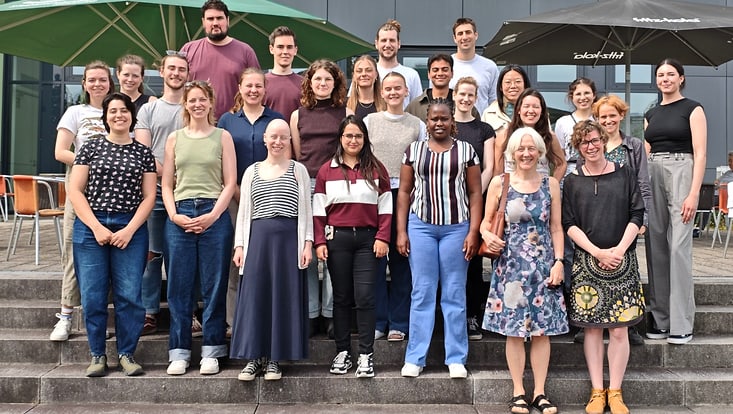
Photo: UHH/RTG2530/Stirn
From 1st to 3rd June 2026, the RTG 2530 hosted a workshop on the topic “Carbon Budgeting in the Elbe Estuary: From Microbe to Landscape”. The invited speakers were Prof. Dr. Roxane Maranger, holder of the Canada Research Chair (Tier I) in Aquatic Ecosystem Science and Sustainability at the Université de Montréal, and Dr. Anne McLeod, head of the Computational Ecology Research Group in the Plankton and Microbial Ecology Department at the Leibniz Institute of Freshwater Ecology and Inland Fisheries (IGB). While the workshop was primarily aimed at the doctoral researchers of the RTG, it was also open to all other interested parties. The three days were intensive for the participants, who were kept busy presenting, exchanging ideas, and reflecting on their own research projects.
According to Anne McLeod and Roxane Maranger, many doctoral researchers tend to become increasingly narrow in their focus, honing in on their specific research question and system of interest, even in larger network projects such as the RTG 2530. For them, the challenge was helping doctoral researchers think beyond their specific questions and consider how their individual research fits into the broader theme of carbon (C) cycling in the Elbe Estuary. They used a creative, participatory, and highly interactive approach, guiding participants through three stages of collective inquiry:
The workshop began with introductions, followed by doctoral researchers presenting their topics concisely using a few slides.
UHH/RTG2530/Stirn
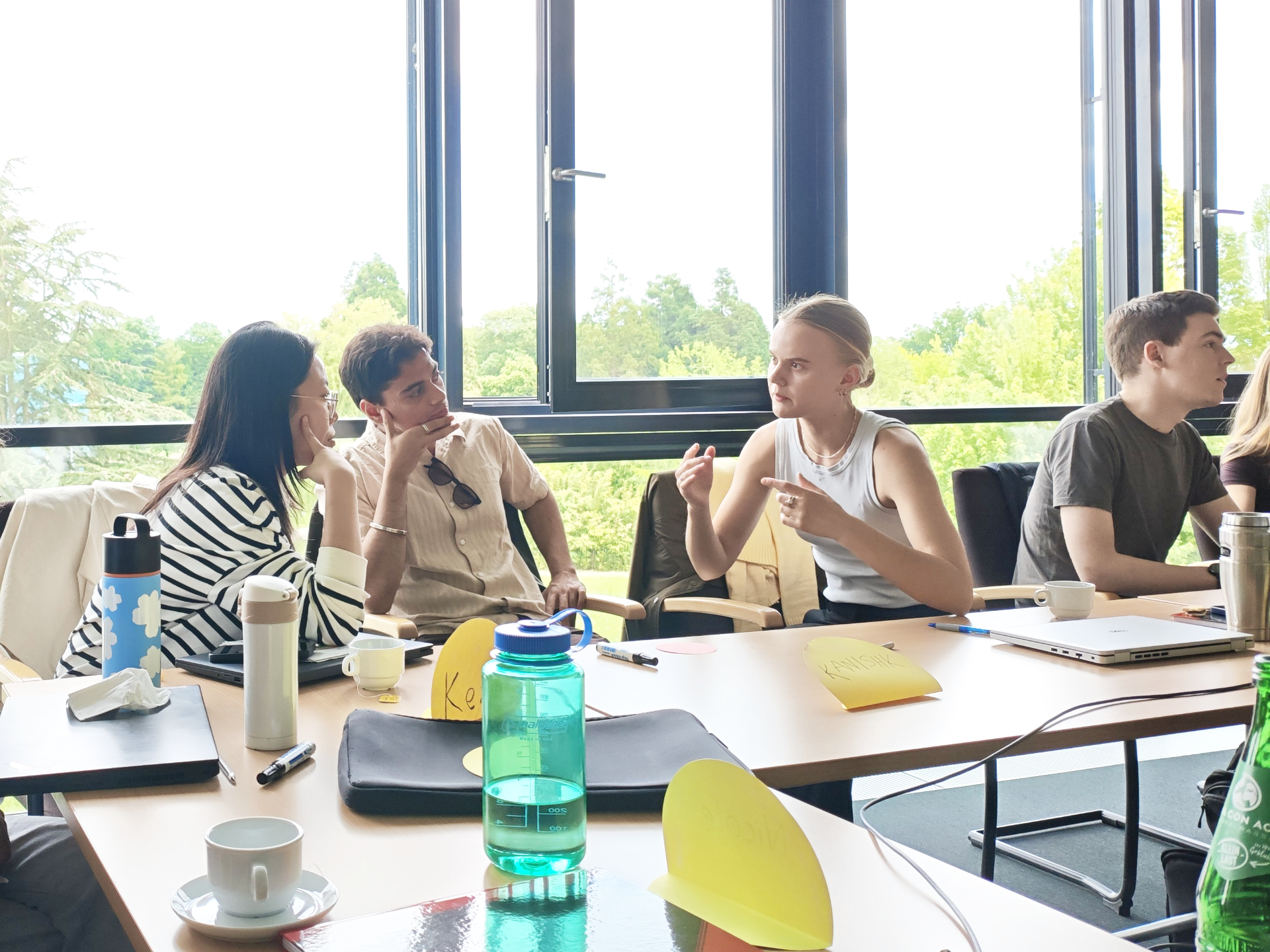
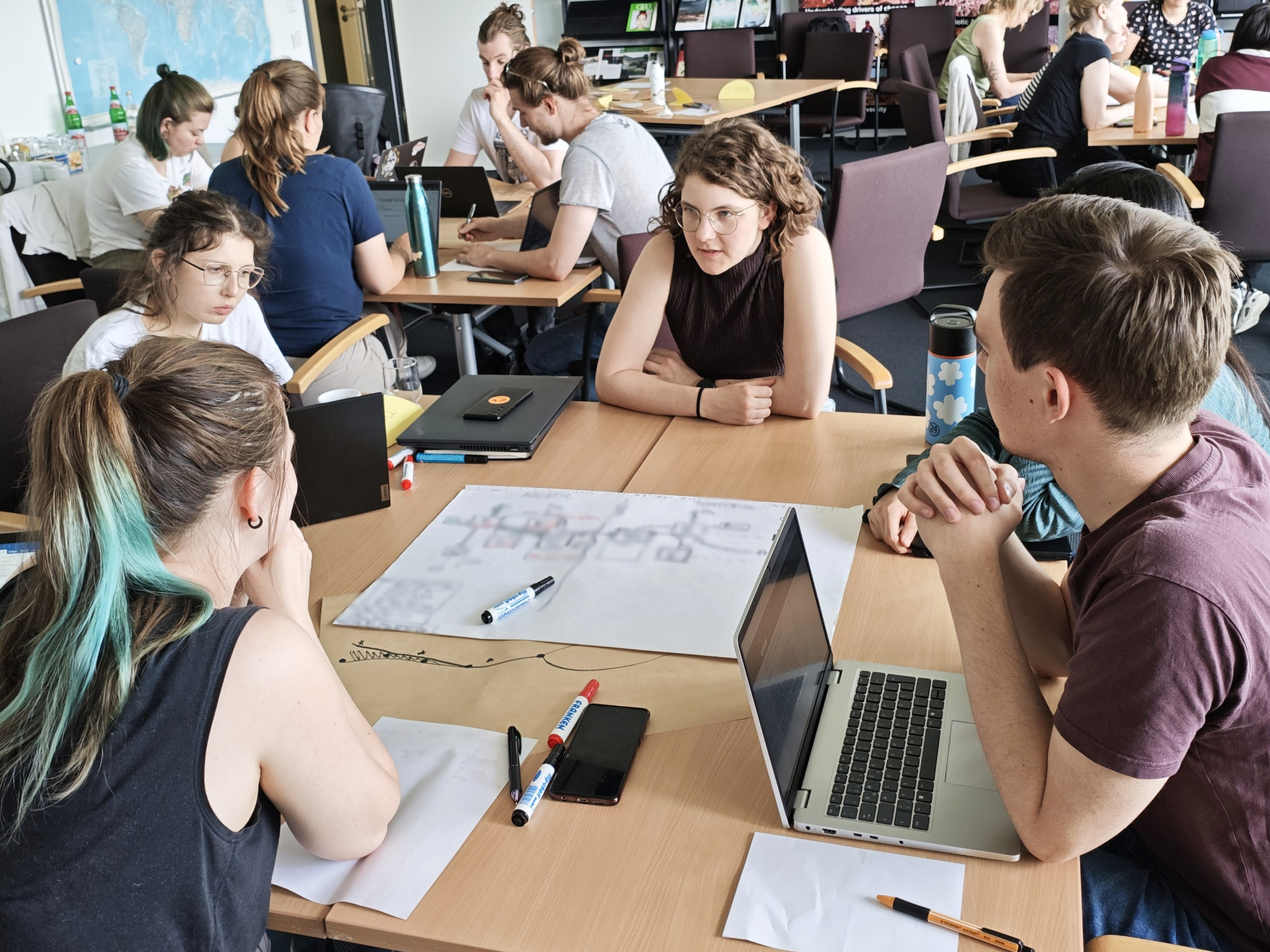
In the next step, participants grouped themselves based on broad project categories such as methodology, study organism, and study region to understand the breadth of their work. They reflected on how their individual projects connect to the biogeochemistry of carbon – how carbon moves and is transformed through biological, chemical, and physical processes – and visualized their ideas in simple sketches using colorful markers. The goals were to:
One exercise worked particularly well, according to Anne McLeod and Roxane Maranger: the "Figure Eight". Participants had eight minutes to draw eight different depictions of their research, one minute per illustration, which they then shared one-on-one with another participant. From these diagrams, they developed a single conceptual story that they shared in plenary. "It was interesting to see the evolution of their perspective on their research projects from their initial short PowerPoint presentation to this more creative and impromptu exercise," the workshop leaders noted.
UHH/RTG2530/Stirn
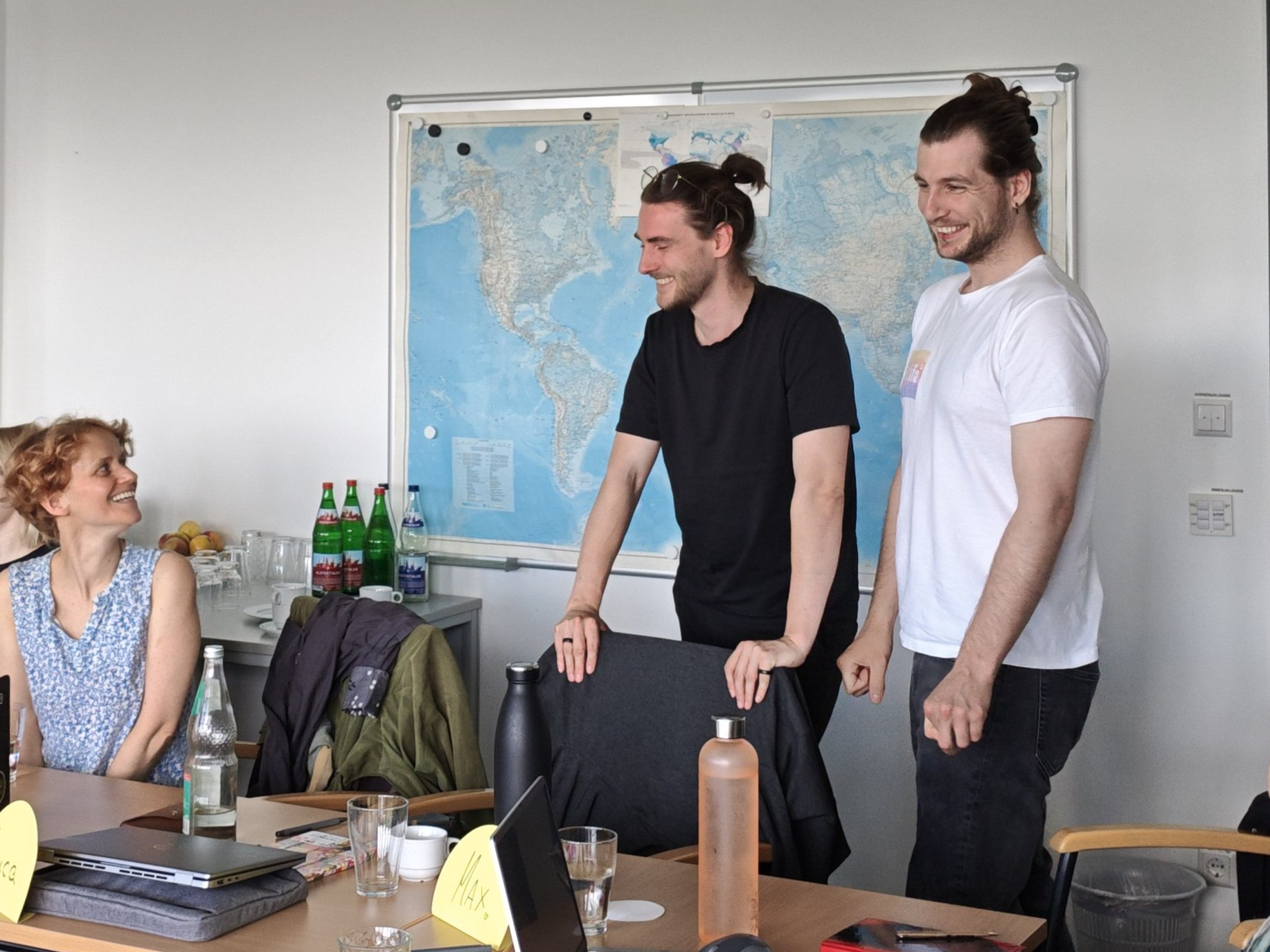
These presentations led to three final group projects, where doctoral researchers created integrative conceptual diagrams of their research topics and provided first-order carbon cycle estimates – initial, rough estimates that describe how carbon is stored, transferred, and transformed within an ecosystem.
UHH/RTG2530/Stirn
"To lead a highly interactive workshop such as this requires not only creating the conditions that enable all group members to feel included so that they respond and participate fully, but it also requires a group that is willing to trust the process and engage. We were particularly impressed with how open-minded all RTG members were and how they embraced our workshop, by actively and enthusiastically participating in each exercise we took them through," Anne McLeod and Roxane Maranger reflect.
The feedback from the doctoral researchers was overwhelmingly positive. Most found the workshop helpful for advancing their research, and they especially valued the many opportunities for interactions – both with each other and with the workshop leaders.
Roxane Maranger is full professor at Université de Montréal, and a Canada Research Chair in Aquatic Ecosystem Science and Sustainability. She is trained in workshop facilitation and her research focuses on the integration of major biogeochemical cycles at multiple scales of inquiry.
Anne McLeod is a Group Leader at the Leibniz Institute for Freshwater Ecology and Inland Fisheries (IGB) in Berlin. She is a computational and community ecologist with broad interests and uses mathematical approaches in linking the importance of foodwebs and animal movement in elemental cycling.