Research Training Group 2530
RTG2530Biota-mediated effects on Carbon cycling in Estuaries
Photo: UHH/Denstorf
6 May 2026, by RTG 2530

Photo: UHH/RTG2530/Grebe
The RTG 2530 has grown, and for the new doctoral researchers, this means getting to know everything that makes up the RTG – and that’s a lot, the people, the institutes, the topics, the methods, the working groups... Since its inception in October 2020, the RTG has been driven by many scientists. Now, we’re looking forward to more people helping to shape the RTG in the years to come.
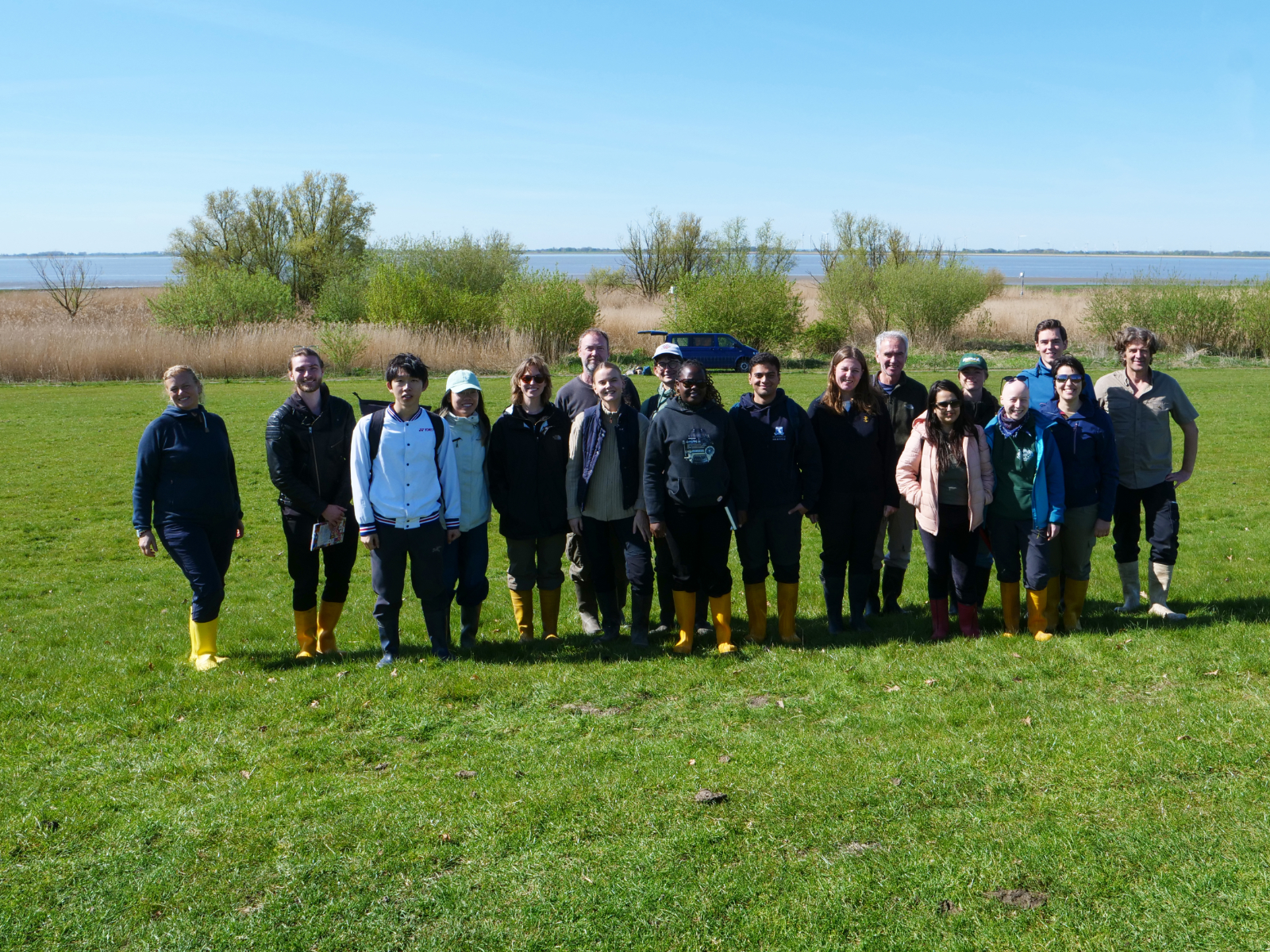
The atmosphere has been particularly special since April 1st, when the new cohort started. It wasn’t just the new doctoral researchers who were excited to get to know the RTG 2530 – the existing members were just as eager to meet the new faces. Some are from Hamburg or the surrounding area, while others have travelled from much farther afield, such as China or Africa. For them, this isn’t just the start of a new professional chapter, but also the beginning of life in a completely new environment.
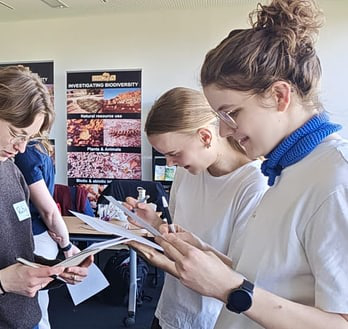
At the kick-off event, the two-day Introductory Days, it became clear that the doctoral researchers had some basic but important questions, such as how to find affordable housing or what official steps are needed. That’s why the event not only presented the RTG and its qualification programme but also covered the support services the University of Hamburg offers to help them settle in Hamburg and at the university. The RTG also organises activities like walks through Hamburg, dinners, and the regular Virtual Café, where they can talk about these and other topics and grow as a group.
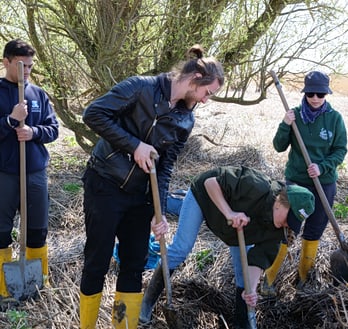
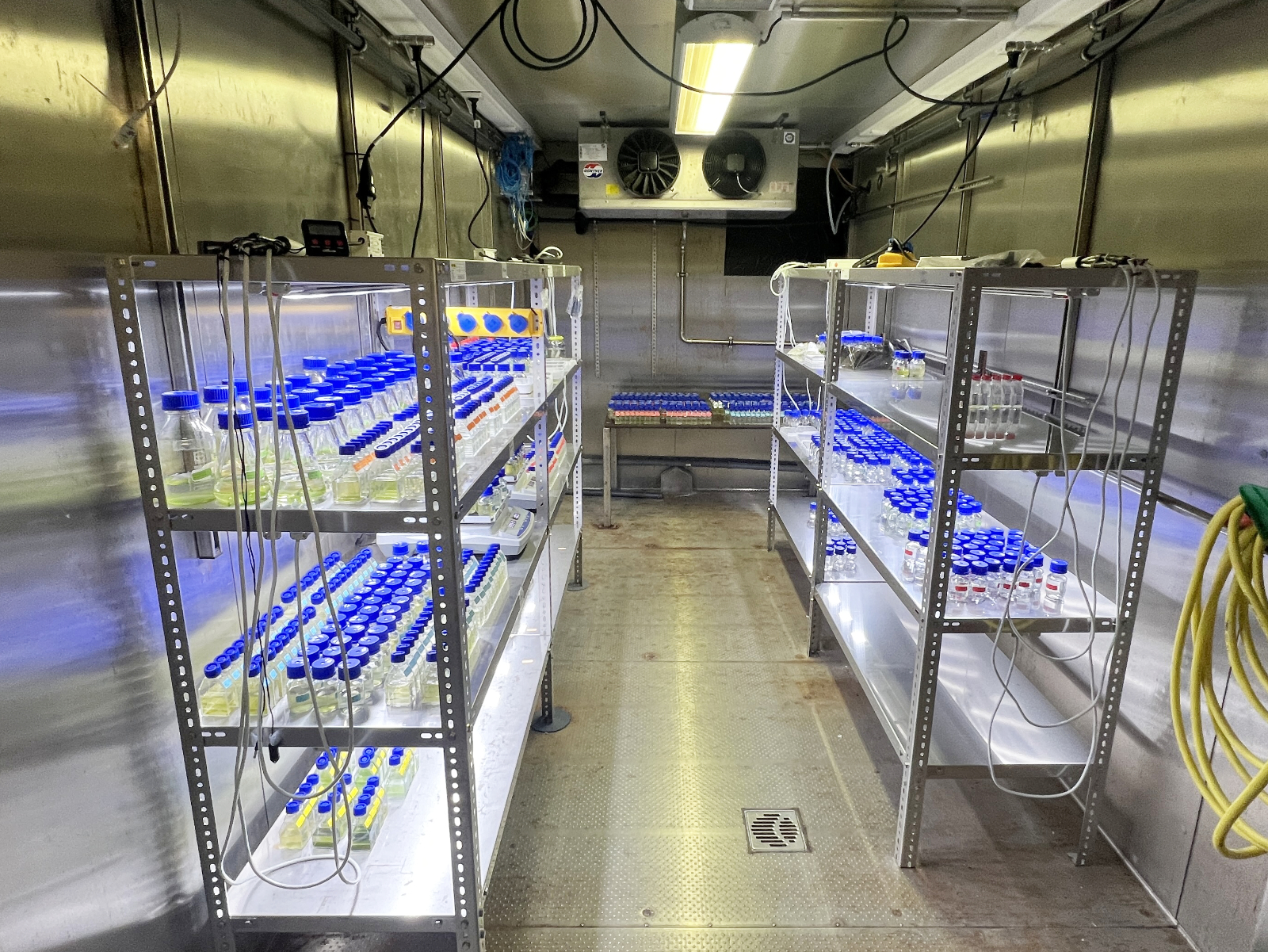
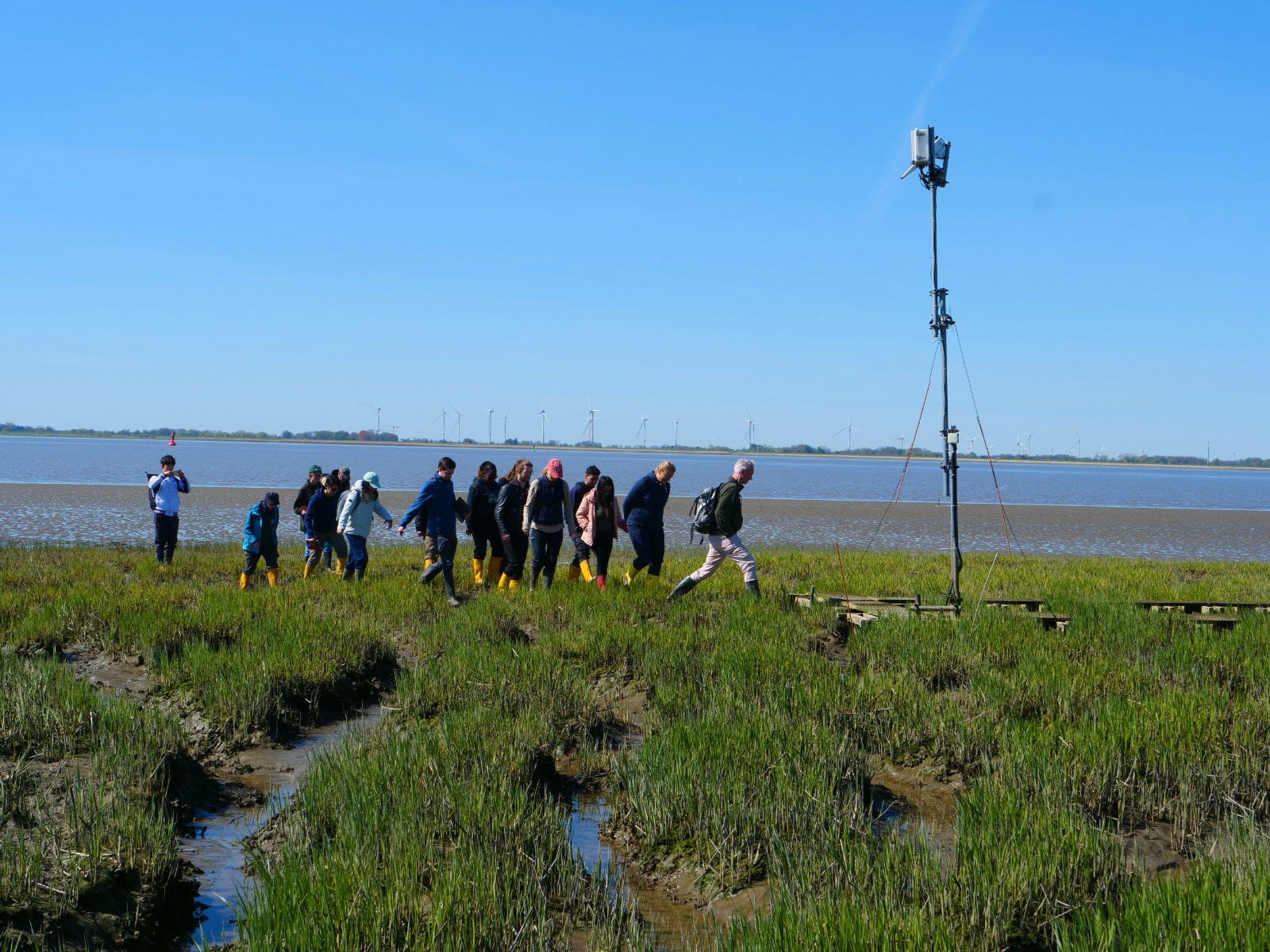
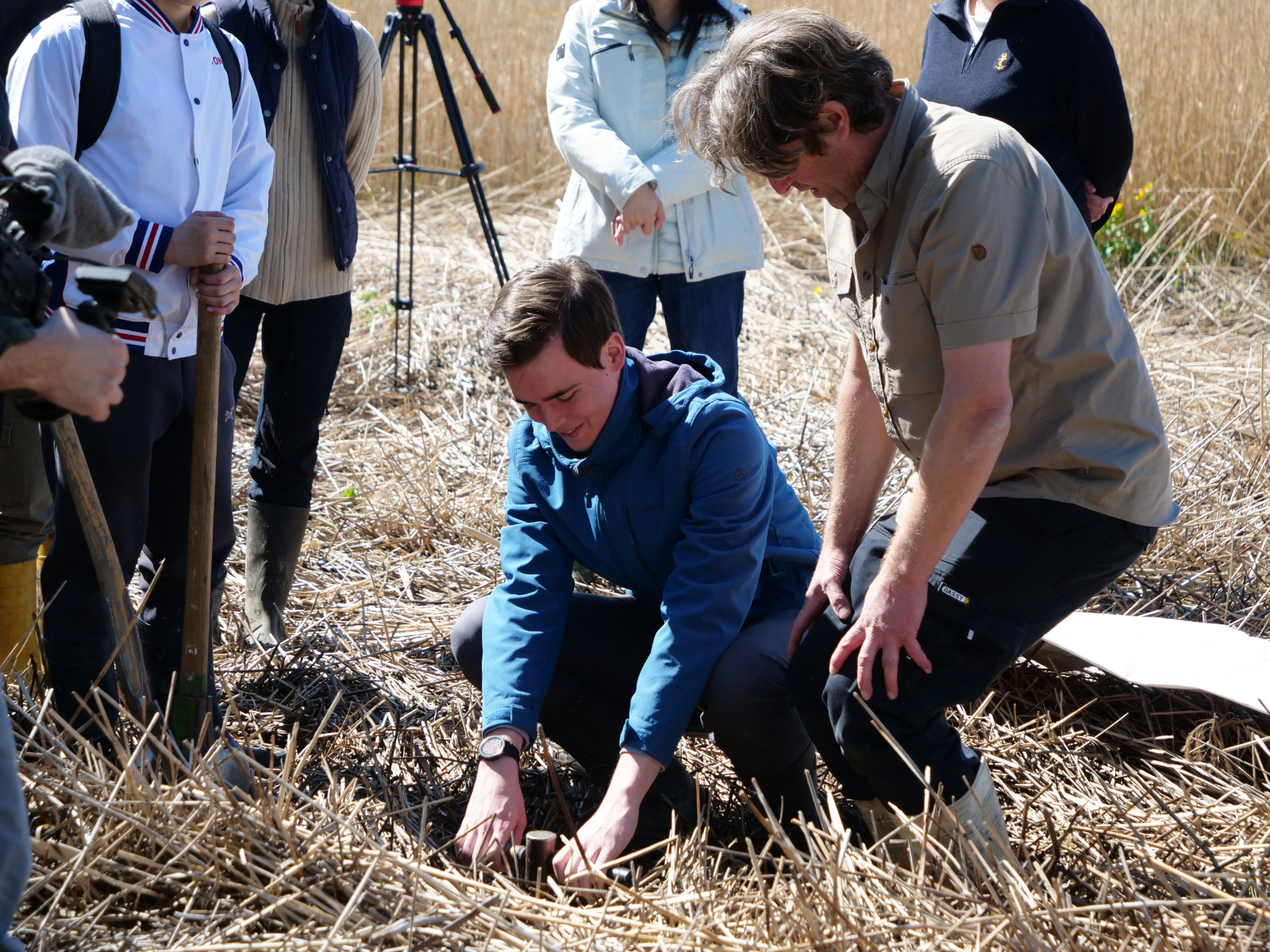
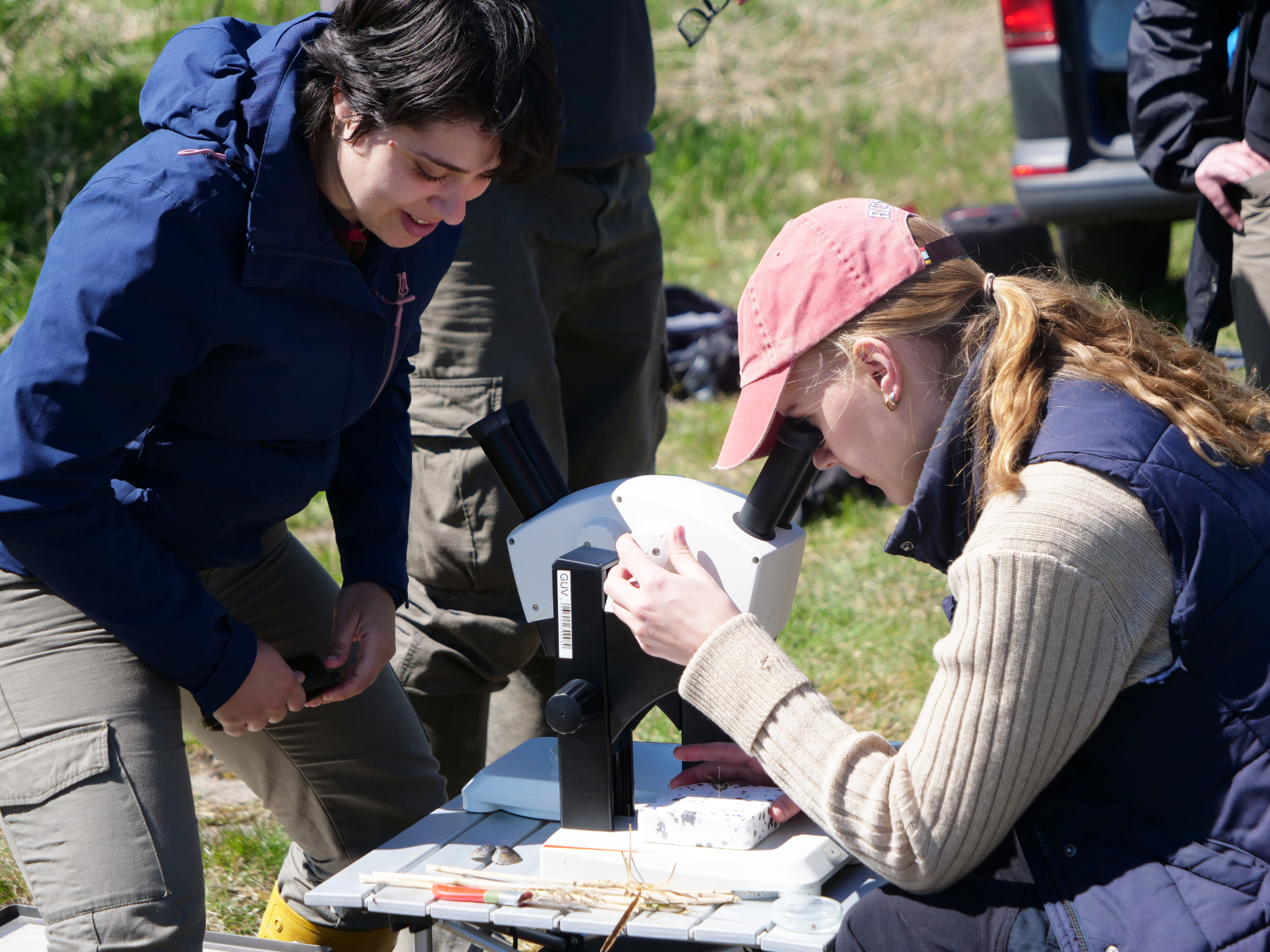
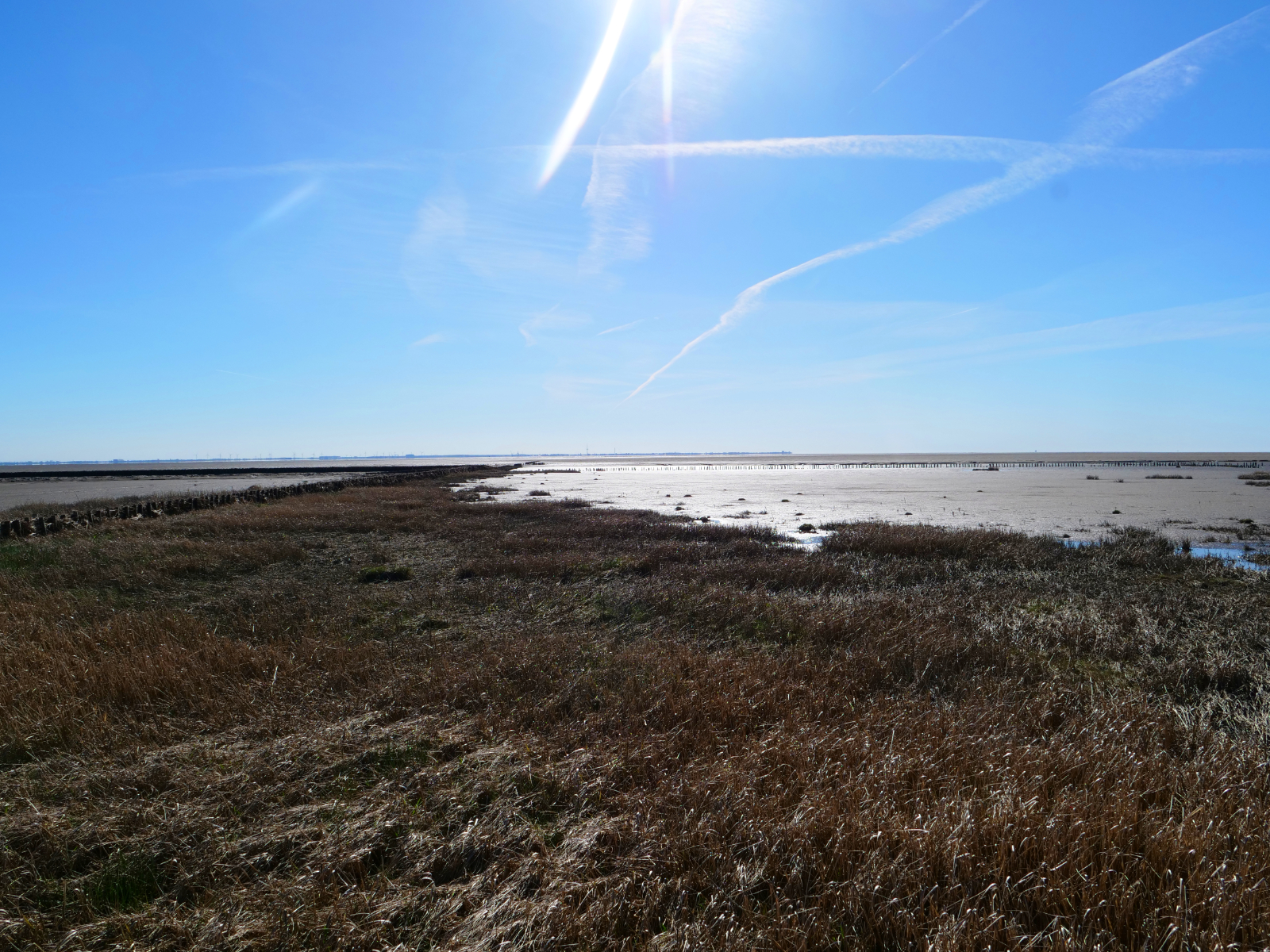
Additionally, there were the Lab and Field Methods from April 24 to April 30, 2026, where the new cohort got to know the labs, research methods, climate chamber facilities, and field sites at the Elbe River. The program also included a Data Resources session, where participants learned how research data are organized in databases. The Lecture Series, a core component of the RTG, offers further insights. From May to June 2026, the Principal Investigators will regularly present the latest developments in their research fields in 20-minute lectures, followed by a scientific discussion.