
Research Training Group 2530
RTG2530Biota-mediated effects on Carbon cycling in Estuaries
Photo: UHH/Denstorf
16 February 2026, by RTG 2530

Photo: Bryan Wang
Elise Wang supported the RTG 2530 as a DAAD RISE intern from 2 June 2025 to 8 August 2025. We asked her about her experiences with us and what she gained from this time. We are very pleased that Elise has written a report for us and would like to thank her once again for her contributions to the RTG.
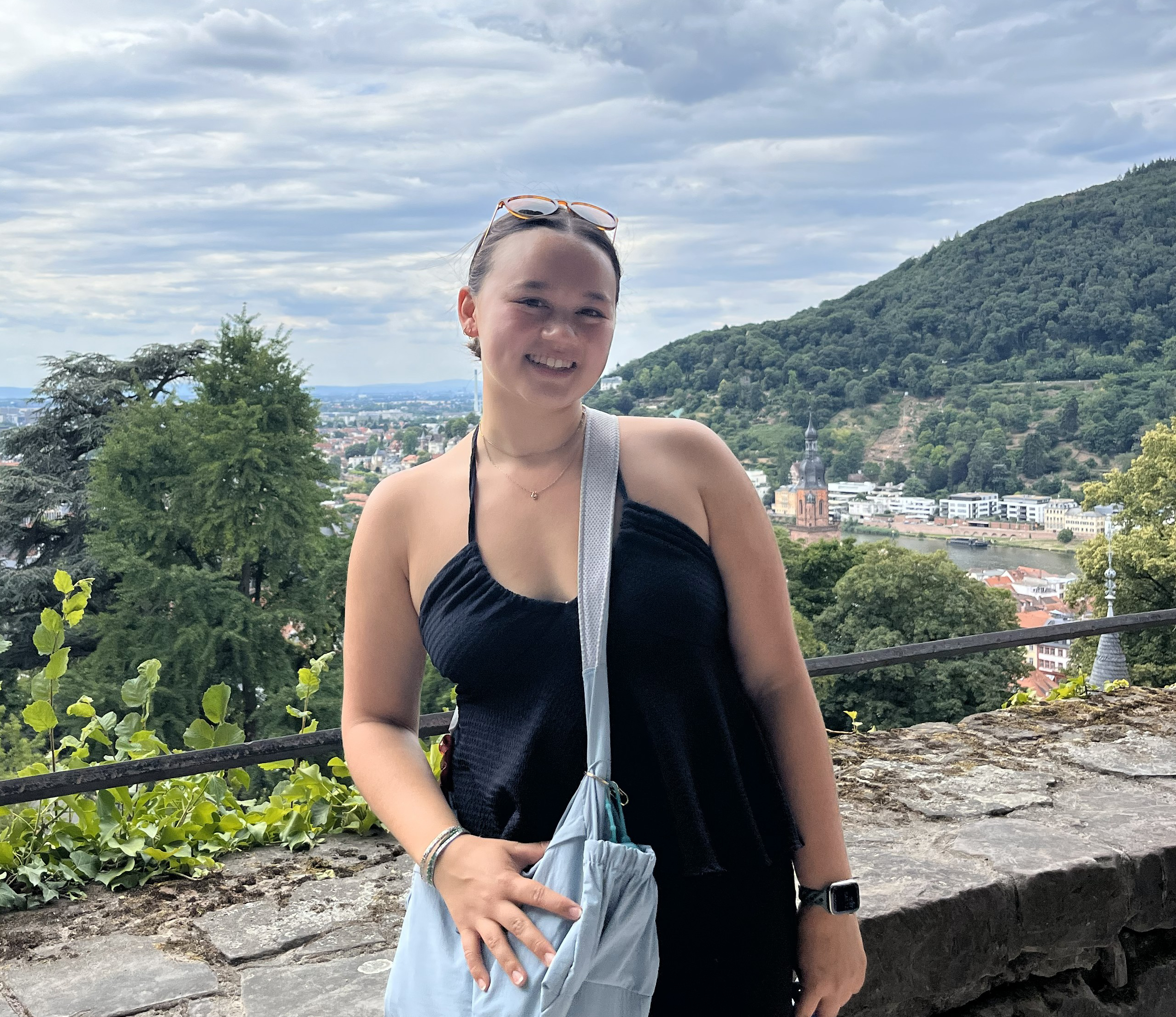
Hello, my name is Elise Wang! I am a fourth-year student at the Pennsylvania State University in the USA, majoring in biochemistry and molecular biology. Last summer, I completed a DAAD RISE internship at the Leibniz Institute of Freshwater Ecology and Inland Fisheries (IGB) in Berlin and worked with Julia Golebiowska, a doctoral researcher in the RTG 2530 and a member of the Aquatic Microbial Ecology research group at the IGB.
Julia’s PhD project focuses on how microbiomes (complex communities of bacteria, other microscopic single-celled microorganisms, and microalgae) in the water and sediments of the Elbe estuary change between seasons. Estuaries have a major influence on carbon fluxes, so studying microorganisms at these sites is essential for understanding carbon dynamics in these systems.
Most of my time was spent in the lab processing water and sediment samples from the field, conducting laboratory tests, and extracting DNA and RNA. Using these samples, the microbes in the water can be identified. I enjoyed using molecular techniques that I learned at the Pennsylvania State University and applying them to this project. I was fortunate to also attend a bioinformatics workshop to learn to analyze the data.
IGB is also home to a large-scale LakeLab, which draws researchers from all over Germany and the world to Lake Stechlin. I was lucky to spend time on the LakeLab, helping with their summer experiment, too! I even learned to use the mDPI, a camera that can be used to monitor zooplankton, a group of microscopic aquatic organisms, underwater.
My career goals are to become a scientific researcher, applying molecular biology techniques, like the ones I used this summer, to study wildlife and their adaptations to the environment. I would also like to work with the public and policymakers. During the internship, I was able to gain experience in my target research field and develop a global perspective on climate issues. I also realized my future goals include connecting with researchers from around the world. Learning more about the ways other countries approach climate issues and experiencing new cultures gave me a new outlook about solving environmental problems. Learning to navigate a research environment where not everyone speaks the same language made me a better communicator.
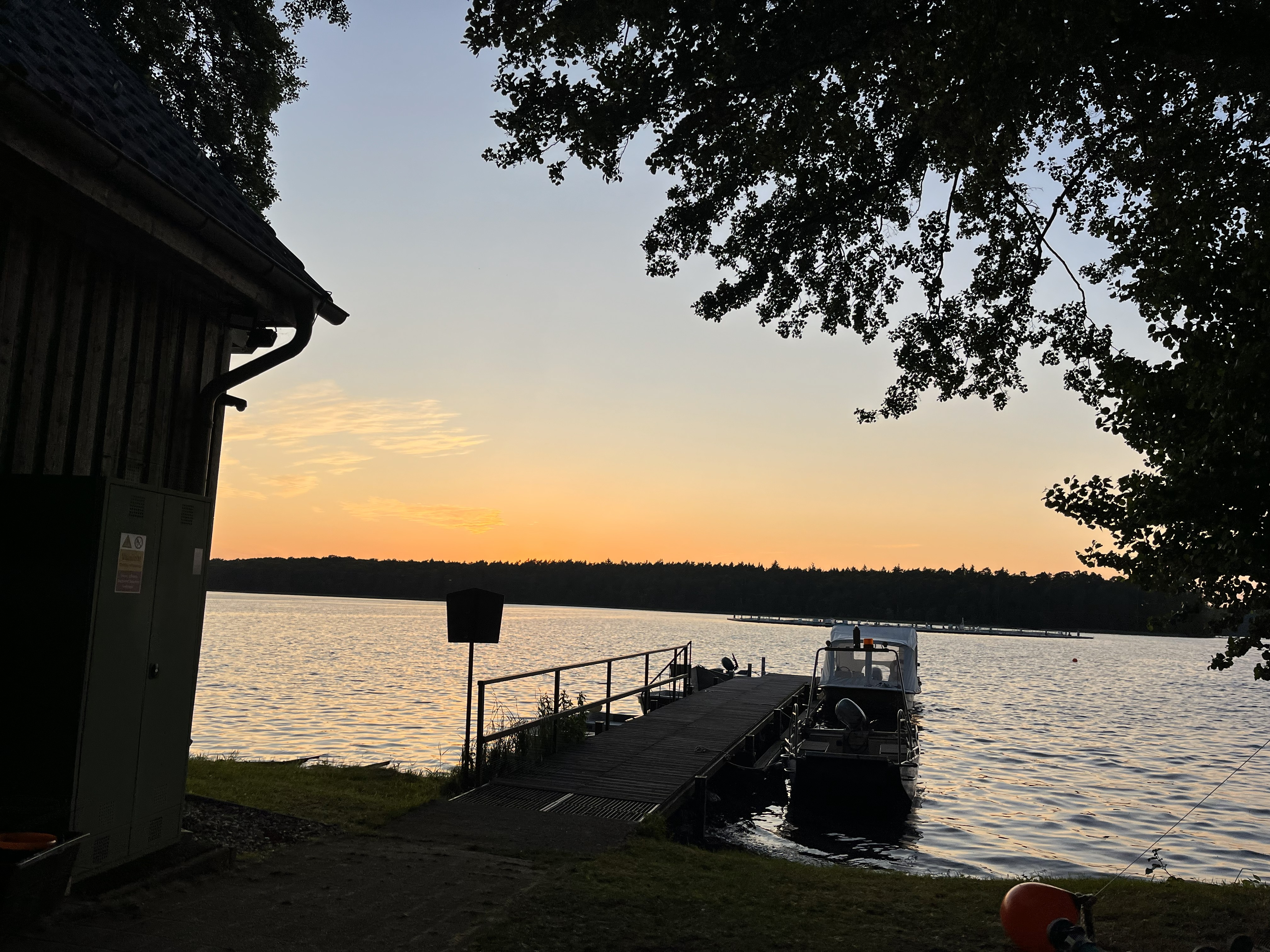
It was so meaningful to live and work with so many new people through this internship, and I miss beautiful Lake Stechlin dearly. I am particularly thankful to Julia and Hans-Peter Grossart for their kindness and support over the summer. Living halfway across the world was not an easy transition for me, but my colleagues at the IGB made it a smoother experience, lending many helping hands. I made cherished memories and friendships, swimming in the lake, boating, fishing, and bike riding. I was also fortunate to travel around Germany and Europe. Now that I am home, I am excited to complete my Bachelor’s degree this May. I am currently in the application process for graduate schools, and I can’t wait to see if my future holds a return to Germany!
The German Academic Exchange Service (DAAD) is an organisation that arranges and supports internships in Germany for international students and abroad for German students. The interns at RTG 2530 are participating in the DAAD programme Research Internships in Science and Engineering (RISE), which promotes international exchange in science and technology.

